Long-term control. Simplified.Safe. Reversible. Doctor-guided.No daily pills. No daily stress.No heavy periods. No painful periods.Control that stays with you.One step. Years of protection.Long-term control. Simplified.Safe. Reversible. Doctor-guided.No daily pills. No daily stress.No heavy periods. No painful periods.Control that stays with you.One step. Years of protection.

Hormonal
IUS

Say Goodbye To
Heavy, Painful
Periods

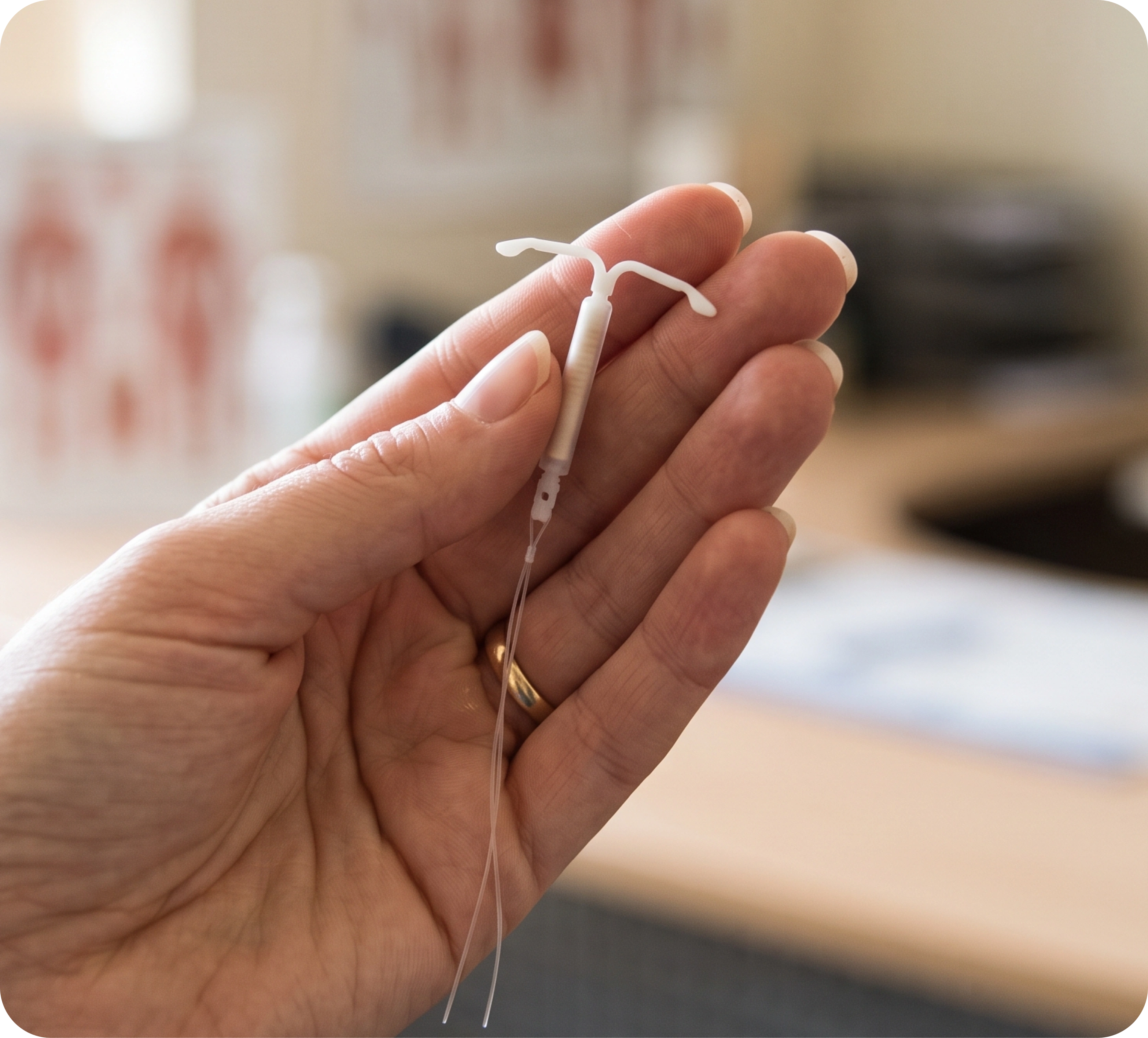
The Hormonal IUS is a small T-shaped device placed inside the uterus. It significantly reduces heavy menstrual bleeding, and manages endometriosis, while also providing up to 5 years of contraception.

What Changes When You Choose

The Hormonal IUS
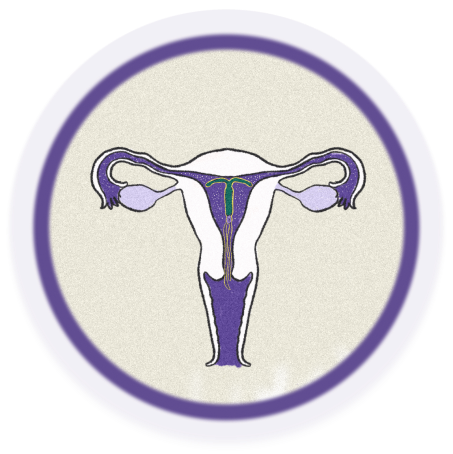
Illustration of the hormonal IUS placed inside the uterus

Fully Reversible

Normal cycles return quickly after removal.

Relieves Period Pain

Reduces menstrual cramps and pelvic pain associated with endometriosis.

Clinically Used to Manage Endometriosis

Suppresses the growth of endometrium-like tissue.

Protects Against Anaemia

Protects against iron-deficiency anaemia by reducing blood loss.

Up to 5 Years of Contraception

Over 99% effective. No daily pill. No partner involvement.

Locally Acting Hormone

Releases low-dose progestin directly in the uterus.

Reduces Heavy Bleeding by 80–90%

Most women see a significant reduction in bleeding. In clinical trials, nearly 9 in 10 women experienced meaningful improvement within 6 months.

No problem is too small

Tap to see how the hIUS solves for it

The Process

Experience 5 Years Of Control With A Few Simple Steps.

1

Consultation

Your gynaecologist reviews your health history, cycle details, and any conditions.
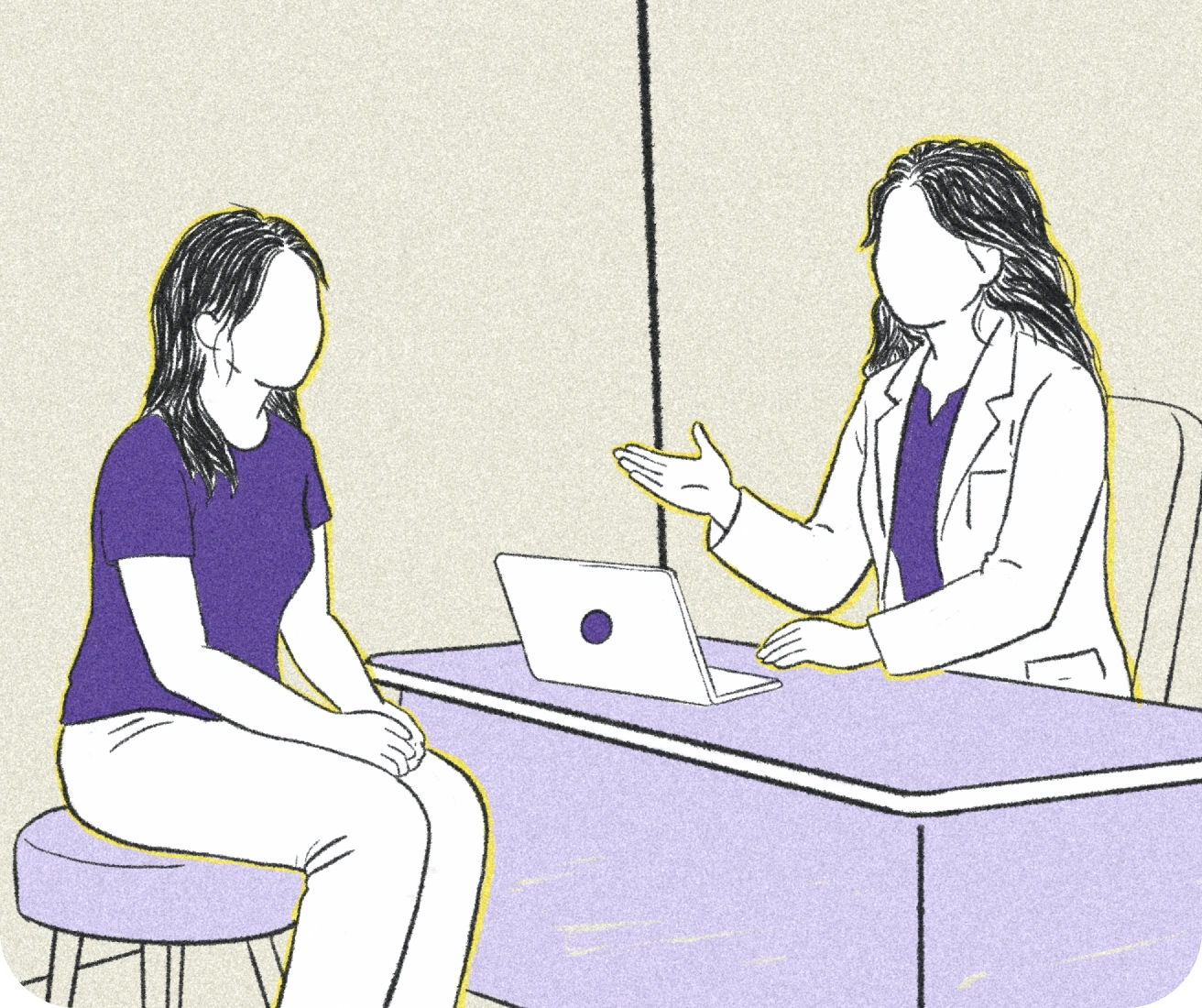
Step 1: Consultation
2

Prep

You lie down comfortably. The doctor performs a pelvic exam and determines the size and position of the uterus. A speculum is gently placed, the cervix is cleaned and stabilized.
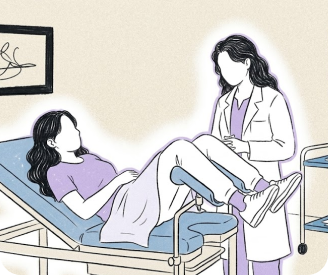
Step 2: Prep
3

Insertion

The doctor measures the depth and direction of the cervical canal and uterine cavity. The IUS is gently guided through the cervix into the uterus, the applicator removed, and the threads are trimmed.During insertion, most women feel a sharp, intense cramp that lasts about 30 to 90 seconds — the time it takes to place the device.
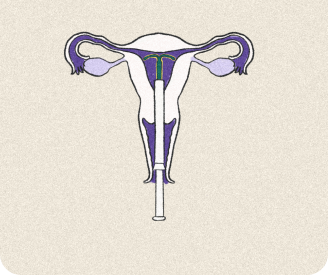
Step 3: Insertion
4

Confirmation

The doctor checks placement. Two thin strings remain in the cervix (not visible externally).
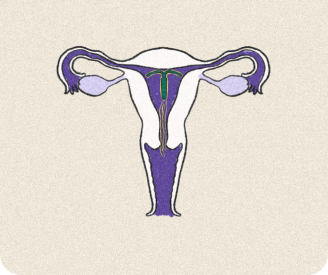
Step 4: Confirmation
5

Recovery

The cramping fades to a dull ache for a few hours, similar to the first day of a period. Some cramping and light spotting for a day or two is normal. You can resume normal activity the same day.
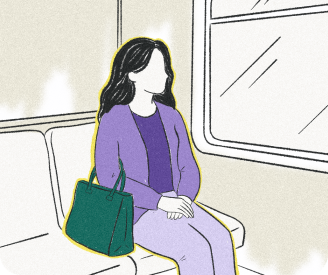
Step 5: Recovery

You can reach your doctor any time with questions.

Placement Done. Now What?

Immediate

(First Few Days)
Cramping and light spotting are common and expected because your uterus is adjusting to the device. Doctors will suggest paracetamol (325–1,000 mg), or other pain reliever as needed
Most women feel mild discomfort or a dull ache for 1–2 days; rest helps

3-6 Months

First 1-3 months (adjustment phase)

Bleeding may be lighter, heavier, or completely unpredictable.
Light spotting between your expected periods is very common early on.
Few women may notice temporary hormonal shifts like mild mood changes, headaches, or acne. These typically improve over time
A follow-up visit after her first monthly bleeding or 3 to 6 weeks after IUD insertion is recommended

Months 3 to 6 (Settling In)

Significant reduction in bleeding by month 3; full effect typically established by month 6
A small majority of women notice gradual weight changes or low mood during use. These vary between individuals — speak to your doctor if either becomes a concern.
Most women experience much lighter periods or none at all. This is the intended outcome, not a problem
For a small number of women, the hormonal shifts like mood changes, headaches, or acne, can persist long-term. If these do not improve after 6 months and become bothersome, speak with your doctor about management options

What To Watch For

(Contact Your Doctor If)
Severe ongoing cramping that isn't improving
You can't feel the strings during a check
Heavy bleeding that's increasing rather than decreasing after 6 months
Any signs of infection (fever, unusual discharge, tenderness)
You think the hIUS might have slipped out of your uterus
You experience symptoms of Pelvic Inflammatory Disease, such as intense lower abdominal pain, painful intercourse, unusual vaginal discharge, fever, chills, nausea etc.
You experience symptoms of pregnancy
You wish to remove the hIUS or get a new one

The adjustment period is temporary. What comes after for most women is significantly less bleeding, less pain, and far more control over their bodies.

Your Questions

Every Question You've Been Sitting On