Long-term control. Simplified.Safe. Reversible. Doctor-guided.No daily pills. No daily stress.No heavy periods. No painful periods.Control that stays with you.One step. Years of protection.Long-term control. Simplified.Safe. Reversible. Doctor-guided.No daily pills. No daily stress.No heavy periods. No painful periods.Control that stays with you.One step. Years of protection.
CONTROL

Experience Control Within

Control Within
Long-term & reversible

Long acting reversible contraceptives. With one simple step, you get years of protection and control over your menstrual cycle.

Long-Acting Reversible Contraception

Designed around your life

One step.
Years of peace.

Reversible.
Reliable. Yours.

Living confidently with long-term contraception

No daily reminders. No partner dependence.

Control that stays
with you.

The Methods

Make The Choice That Fits Your Life

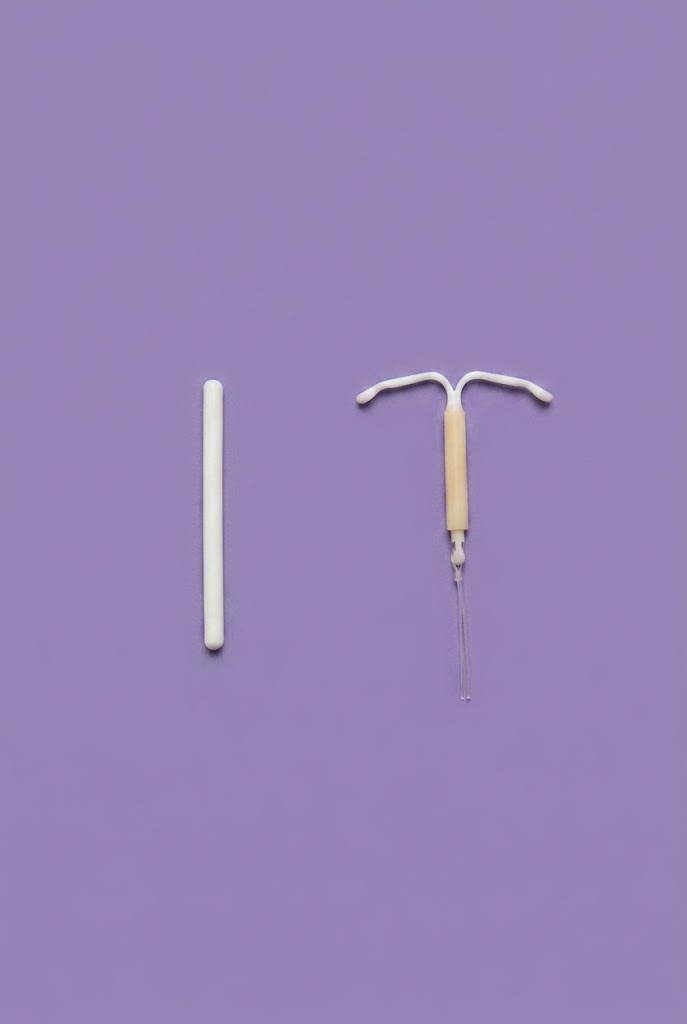
Two long-term, reversible, doctor-placed options.

3 years
Contraceptive Implant

Control Over Contraception

Contraceptive Implant · Implant

Control Over Contraception

  • Inserted under the skin of the upper arm
  • Works up to 3 years
  • Under 10 minutes to insert or remove
  • No daily action required
  • Fertility returns quickly after removal
  • Discreet. Fully invisible once placed
  • No recurring pharmacy costs
  • Helps reduce risk of iron-deficiency anaemia
5 years
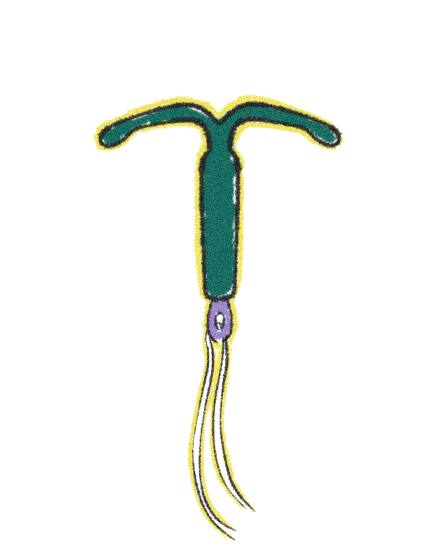
Hormonal IUS

Control Over Heavy Menstrual Bleeding And Endometriosis

Hormonal IUS · hIUS

Control Over Heavy Menstrual Bleeding And Endometriosis

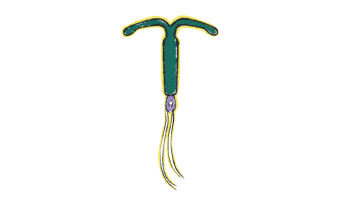
  • Small T-shaped device placed in the uterus
  • Works up to 5 years
  • Reduces Heavy Menstrual Bleeding
  • Effectively manages endometriosis symptoms
  • Relieves severe cramps and pelvic pain, during periods
  • Helps protect against iron-deficiency anaemia
  • Fully reversible. Fertility returns within weeks after removal
  • No daily action required
  • Lower hormone exposure than a daily pill
Is This For You?

If Any Of This Sounds Like You, Keep Reading.

The Contraceptive Implant may be right for you if:

  • The "did I take my pill?" anxiety is a daily ritual you’re tired of
  • You depend on your partner for contraception
  • You want long-term protection with zero recurring effort or cost
  • You want privacy. Nothing to carry, hide, or explain
  • You’re not ready for a baby, but you’re not ready to make that permanent either

The Hormonal IUS may be right for you if:

  • Your periods are heavy, painful, or unpredictable — and costing you days every month
  • You have PCOS, endometriosis, or fibroids
  • You want contraception that offers relief too
  • Your cramping and fatigue are dismissed as normal
  • You want long-term protection with a lower hormonal load than a daily pill

Both methods are reversible, doctor-placed, and require no daily action. A gynaecologist can help you decide which fits your life.

Different Processes. Different Purposes.
One Goal: Control.

The Process

Behind The Scenes.

Contraceptive
Implants

Click to read more

Hormonal
IUS

Click to read more
Your Questions

Still Thinking It Over?

Woman looking peaceful and confident
Why We're Here

Women Don't Lack Options.
They Lack Peace Of Mind.

Most contraception puts the effort on you. Remember the pill. Buy condoms. Hope your partner cooperates. Additionally, for many women, every month comes with days lost to heavy bleeding, debilitating cramps, and fatigue that gets dismissed as normal.

Control Within exists to solve these problems. To bring awareness about two long-term, reversible, doctor-placed contraceptives that work quietly in the background. No daily reminders, no dependence on anyone else, no permanent decisions.

Your body. Your timeline. Your control.

Stay Within Reach Of Our Socials

Follow us @control_within_official for real conversations about contraception, menstrual health, and what control actually looks like.

Follow @control_within_official
WHO logo
WHO
Recommended
US FDA logo
US FDA
Approved
CDSCO logo
CDSCO
Approved
FOGSI logo
FOGSI
Endorsed*

Both contraceptive implants and hormonal IUS are globally recognised, clinically studied, and placed by trained gynaecologists.

These methods do not protect against sexually transmitted infections (STIs). Common side effects may include changes in bleeding patterns, mild cramping, or temporary spotting after insertion. These methods may not be suitable for everyone. Always consult a qualified gynaecologist before making any medical decision.